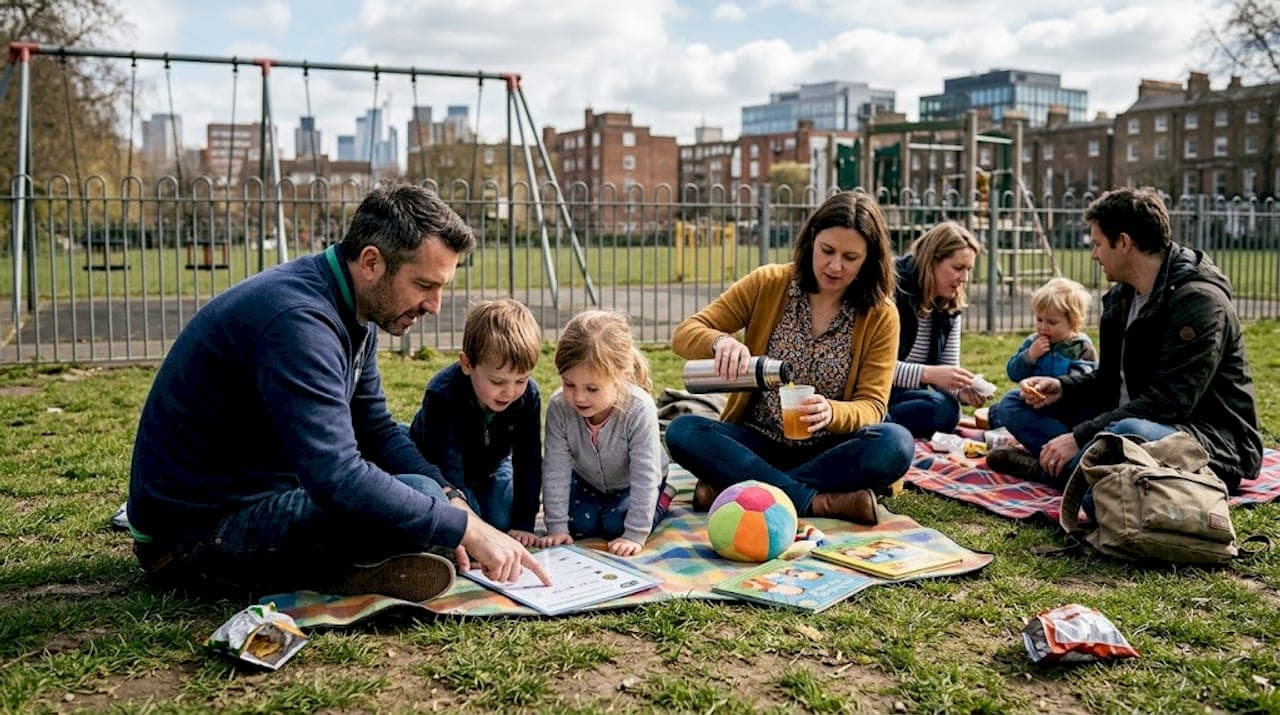
Home education in the UK is growing fast. With ~126,000 children now in elective home education in England alone, families are realizing they don't have to do this alone. Yet many parents start out feeling isolated, unsure where to turn for support, resources, or even a simple conversation with someone who gets it. The good news? A thriving network of home-ed communities exists across the UK, and plugging into one can change everything. This article walks you through why community matters, how it shapes your child's social development, how to track progress effectively, and how to navigate the trickier challenges along the way.
Table of Contents
- Why community matters in home education
- How UK home-ed communities support social development
- Tracking educational progress in a community context
- Addressing challenges: Safeguarding, SEND, and flexible approaches
- Our take: What most guides miss about community in home education
- Track, connect, and support your child's learning with ProgressNest
- Frequently asked questions
Key Takeaways
| Point | Details |
|---|---|
| Communities combat isolation | UK home-ed groups provide emotional support and crucial social opportunities that schools can lack. |
| Structure matters | Planned weekly activities ensure children develop social skills and avoid loneliness. |
| Track learning together | Families use portfolios, trackers, and peer review to monitor progress for LA reports and personal goals. |
| Support for diverse needs | SEND/PDA children benefit from the flexibility and tailored care that communities offer. |
| Safeguarding needs awareness | Communities help fill gaps in oversight but aren't a full substitute for formal monitoring. |
Why community matters in home education
When most people picture home education, they picture a kitchen table, a stack of workbooks, and one parent doing it all alone. That picture is outdated. Today, UK home-ed families connect through local co-ops, online forums, faith-based groups, and specialist networks for children with SEND (Special Educational Needs and Disabilities) or PDA (Pathological Demand Avoidance).
Community in this context means more than just playdates. It means emotional support for parents who are questioning themselves on a hard day. It means shared resources so you don't have to reinvent the wheel. And it means practical advice on navigating UK regulations, from understanding your legal obligations to preparing for a local authority (LA) visit.
"Communities provide essential support for UK homeschooling parents through local groups and co-operatives, and organizations like Education Otherwise, HEAS, and Facebook networks, offering socialization opportunities, shared resources, and practical advice on legal matters and activities."
Here's what different types of communities typically offer:
- Local co-ops: Shared teaching sessions, group projects, and regular meetups
- Facebook groups: Quick answers, resource sharing, and emotional support at any hour
- Education Otherwise and HEAS: Established organizations with legal guidance and advocacy
- Faith-based groups: Spiritual grounding alongside academic and social support
- SEND/PDA-friendly hubs: Flexible, low-pressure environments tailored to individual needs
Building parental confidence is one of the biggest benefits. When you see other families navigating the same challenges and thriving, it's easier to trust your own instincts. You can also find practical home education tips from parents who have already figured out what works.
The key takeaway here is simple: community doesn't just make home education more enjoyable. It makes it more effective, more sustainable, and less stressful for everyone involved.
How UK home-ed communities support social development
One of the most common concerns about home education is socialization. It's a fair worry. 27 to 28% of UK home-ed students rarely or never interact socially with peers, and 38 to 39% report dissatisfaction with their social lives compared to school students. These numbers matter. But they also tell us something important: social development doesn't happen automatically. It has to be planned.
The good news is that home-ed communities make deliberate socialization very achievable. Unlike school, where social interaction is largely passive and incidental, home education allows you to choose the right social environments for your child.
Structured weekly activities like academic co-ops, forest schools, Scouts, Girlguiding, and the Duke of Edinburgh's Award give children consistent, meaningful peer contact. Events like the Home Education Festival (HEFF) add variety and excitement.
Here's a sample weekly social framework to get you started:
- Monday: Online group lesson or virtual co-op session
- Tuesday: Local park meetup or nature walk with a home-ed group
- Wednesday: Arts or STEM enrichment class at a community center
- Thursday: Scouts, Girlguiding, or a sports club
- Friday: Free play or project collaboration with a home-ed friend
This kind of structure builds friendships over time. It also reduces the anxiety that can come from irregular, one-off social events.
Pro Tip: Consistency is everything. Committing to the same group activities week after week helps your child build real friendships, not just acquaintances. Look for home education tips on finding and sticking with activities that suit your child's personality and learning style.
Best practices for preventing social isolation include:
- Prioritizing regular, recurring group activities over one-time events
- Mixing age groups so children learn to relate to different people
- Encouraging your child to take on leadership roles in group settings
- Joining both local and online communities for maximum reach
Socialization in home education isn't a weakness. With the right planning, it can be one of its greatest strengths.
Tracking educational progress in a community context
Once you've built a social rhythm, the next practical challenge is tracking your child's learning. This is where many families feel uncertain. How do you know if your child is keeping pace? How do you show an LA that your home education is working?
Community helps here too. Families share progress methods, swap resources, and compare approaches. You don't have to figure out the best tracking system alone.
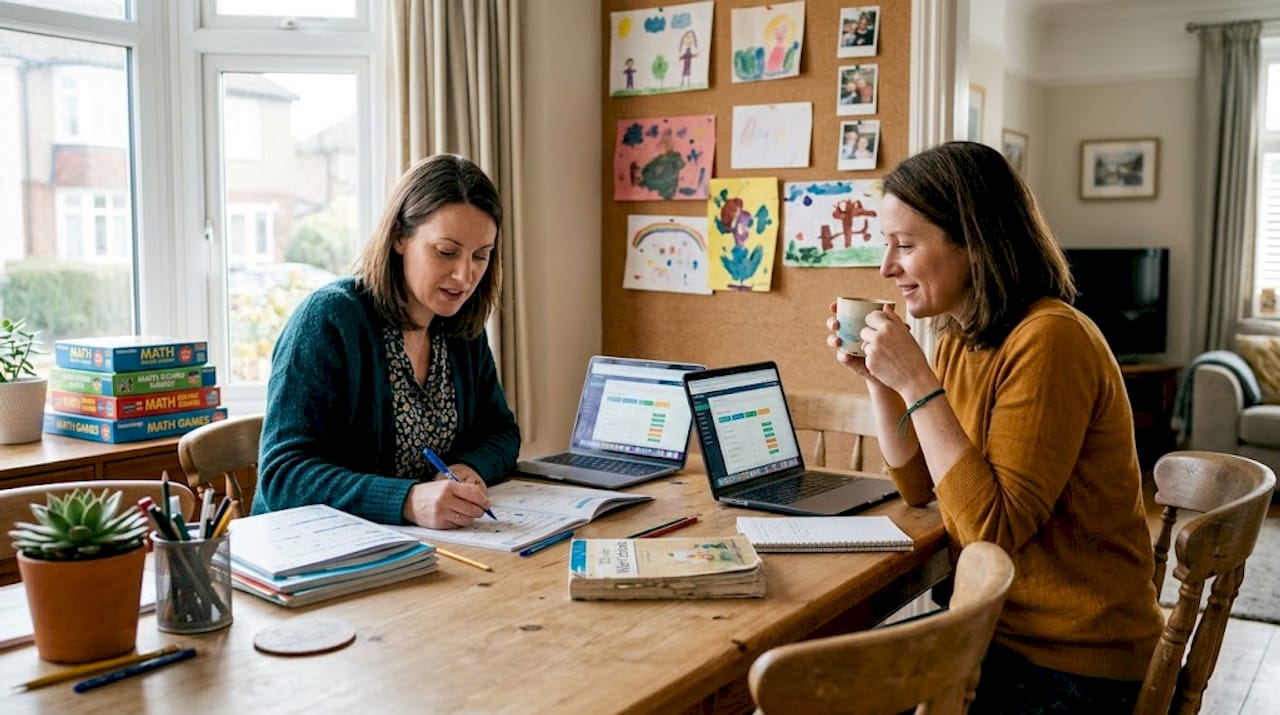
Common tracking methods include portfolios of work samples and photos, apps like Home Education Tracker or Collage for logging milestones chronologically, and periodic reviews against the National Curriculum or your own custom goals.
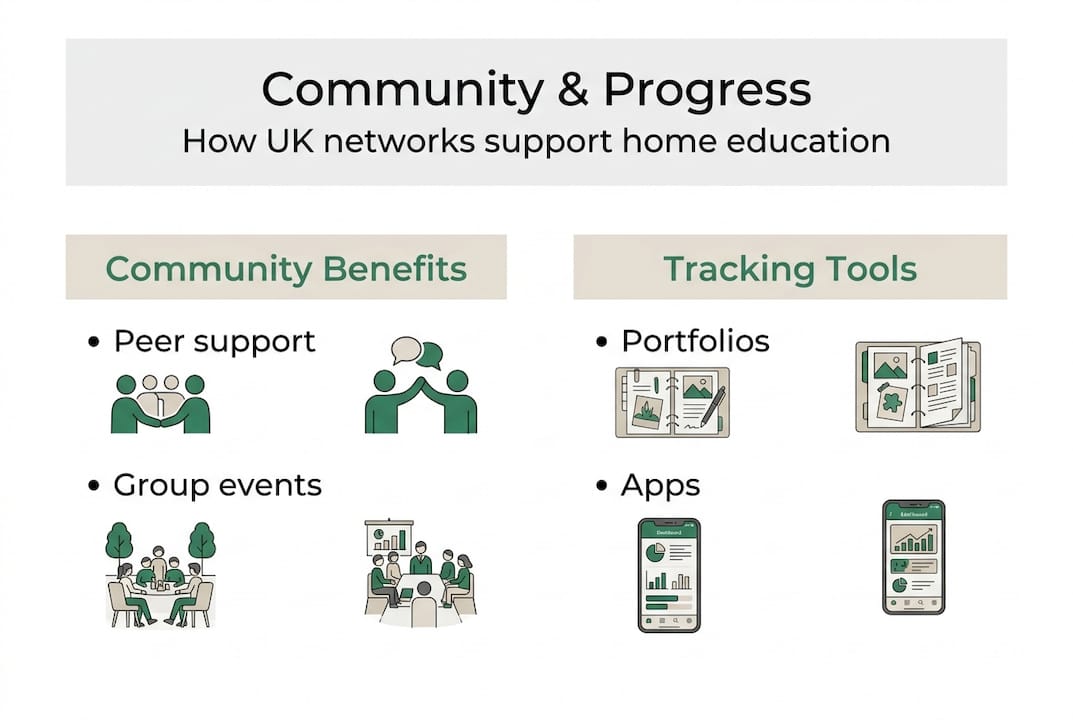
Here's a quick comparison to help you choose:
| Method | Best for | Pros | Cons |
|---|---|---|---|
| Portfolio | Visual learners, creative subjects | Tangible, personal, easy to share | Time-consuming to organize |
| Tracker app | Structured learners, multiple subjects | Fast logging, searchable, shareable | Requires consistent input |
| Group review | Community-based families | Peer feedback, accountability | Less formal, harder to document |
| Peer benchmarking | DofE, shared group outcomes | Real-world context, motivating | Not always curriculum-aligned |
Peer benchmarking is worth highlighting. When your child completes a Duke of Edinburgh project alongside peers, you get natural, real-world evidence of their capabilities. This kind of shared outcome reduces parental anxiety and adds context that a spreadsheet simply can't provide.
Pro Tip: Try a monthly "work swap" with another home-ed family. Share samples of your children's work and give each other friendly feedback. It's a low-pressure way to spot gaps, celebrate progress, and stay accountable.
For families preparing LA reports, combining a tracking child progress tool with community input creates a well-rounded picture of your child's education. You can also use an educational milestone tracker to log achievements clearly and a parent progress dashboard to see patterns over time. For a polished final presentation, a homeschool diploma cover adds a professional touch to your child's records.
Addressing challenges: Safeguarding, SEND, and flexible approaches
Home education communities are largely positive spaces. But it's important to look honestly at the challenges too.
Safeguarding is a real concern. LAs currently lack registration and monitoring powers in many cases, which means some children, particularly those removed from school due to mental health or SEND needs, can fall through the cracks. Communities often provide informal oversight, but formal benchmarks are still needed to confirm educational suitability.
For SEND and PDA families, community is especially vital. Flexible pacing and low-pressure environments in specialist home-ed groups can offer what traditional schools simply can't. Faith-based hubs also play a role, providing both spiritual support and a welcoming social space for families who might feel excluded elsewhere.
Here's a data snapshot of key issues:
| Issue | Data/Insight |
|---|---|
| Social isolation | 27 to 28% rarely or never interact with peers |
| Social dissatisfaction | 38 to 39% less satisfied than school students |
| Preference for school | 32% of home-ed students would prefer school |
| Safeguarding gaps | LAs lack formal registration or monitoring powers |
"Some studies show above-average social skills with active planning, while others note potential safeguarding gaps without oversight. The difference often comes down to how intentionally families engage with community."
For families navigating SEND or seeking flexible hybrid solutions, here are some practical recommendations:
- Connect with PDA and home education specialist networks for tailored guidance
- Look for SEND-friendly local co-ops that adapt activities to individual needs
- Keep detailed records of your child's progress to support any LA conversations
- Use community groups as an informal support layer, not a replacement for formal oversight
- Explore home education guides that address specific learning needs and flexible approaches
Challenges are real. But with the right community and the right tools, most families find workable, confident paths forward.
Our take: What most guides miss about community in home education
Here's something most articles won't tell you: simply joining a community isn't enough. Attendance without intention rarely leads to growth.
The families who benefit most from home-ed communities are the ones who show up consistently, contribute actively, and use their community as a sounding board, not just a resource library. They bring questions. They share what's working. They ask for honest feedback on their child's progress.
There's also a tendency to treat community and technology as separate tools. They work best together. A tracking app gives you data. A community gives you context. Neither is complete without the other. Families who blend peer input with digital tracking tools build the most accurate, confident picture of their child's education.
Another overlooked point: the best communities encourage periodic reflection, not just activity. Scheduling a quarterly review with your home-ed group, where everyone shares what's working and what isn't, builds shared accountability that no app can replicate.
Our advice? Use your community as a thinking partner. Bring your challenges to the group. Test new ideas with peers before committing to them. And check out expert home education tips to keep building your approach with confidence.
Track, connect, and support your child's learning with ProgressNest
Community gives you connection. ProgressNest gives you clarity.
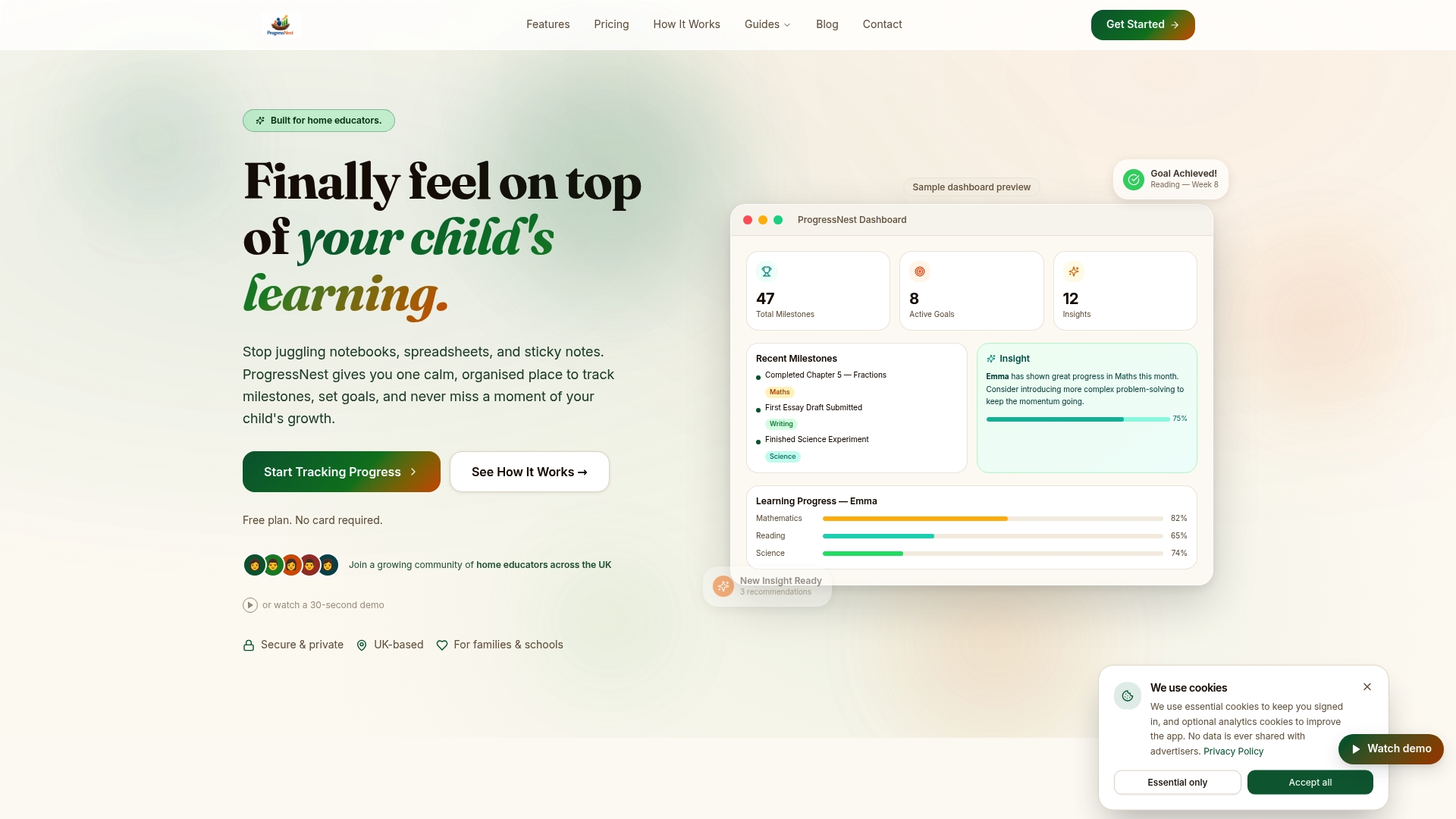
ProgressNest is built specifically for UK home educators who want to stay organized, calm, and confident. You can log milestones, set goals, and generate professional PDF reports that are ready for LA visits, all without a single spreadsheet. The ProgressNest milestone tracker makes it easy to record your child's achievements as they happen. The parent progress dashboard shows you patterns and trends at a glance. And when you're ready to track child progress across multiple subjects or children, ProgressNest keeps everything in one secure, easy-to-use place. Pair it with your community, and you have everything you need.
Frequently asked questions
How can I find a home education community near me in the UK?
Start by searching Facebook groups, contacting Education Otherwise or HEAS, and networking at local libraries or community centers. Many councils also maintain lists of local home-ed groups.
Do home-educated children in the UK get enough social interaction?
Over a quarter of UK home-ed students rarely or never interact socially with peers, but active participation in community groups and structured activities greatly improves social opportunities.
What's the best way to track my child's learning progress as a home educator?
Use a mix of portfolios and tracking apps like Home Education Tracker or Collage, combined with regular reviews against the National Curriculum or your own learning goals.
Are there risks with home education communities?
Some risks exist, including safeguarding gaps where LAs lack monitoring powers, but communities often provide informal oversight that helps fill those gaps.
How do communities support SEND or PDA children in home education?
Specialist home-ed communities enable flexible, low-pressure pacing and tailored support for SEND and PDA children that traditional school settings often cannot provide.
Recommended
- 7 Things Every Home Educating Parent Wishes They'd Known Sooner | ProgressNest Blog
- Blog — Home Education Tips & Child Progress Guides | ProgressNest
- How to Track Your Child's Educational Progress at Home | ProgressNest
- Educational Milestone Tracker for Children | ProgressNest — UK Parents & Home Educators